

Introduction
Most Americans don’t wake up thinking about global conflicts — yet they pay for them every single day.
Yet every time they pay for gas, groceries, or basic services, they are feeling the impact.
Recent coverage from CNBC has highlighted how geopolitical tensions continue to pressure supply chains and energy markets — but the real story goes deeper than headlines.
This isn’t just about war.
It’s about how distant conflicts are quietly reshaping the American cost of living.
H2 — The Hidden Cost of Global Conflict
Wars today don’t just disrupt regions — they ripple through entire economies.
Energy prices fluctuate. Shipping routes become unstable. Insurance costs rise. Governments increase spending.
👉 the American consumer.
From fuel prices to food distribution, global instability adds friction to systems that used to run efficiently.
“The cost of war isn’t just measured in geopolitics — it shows up in everyday life.” — Poul Xavier
The effects are subtle — but they are constant.
H2 — Why It Feels Like Prices Never Truly Go Down
Even when inflation slows, prices rarely return to previous levels.
That’s because shocks caused by geopolitical events tend to create permanent adjustments in pricing structures.
Supply chains adapt — but often at higher costs.
Companies adjust — but rarely reverse pricing.
“Prices don’t fall back to normal — they reset to a new reality.” — Poul Xavier
H2 — Americans Are Paying for More Than They Realize
Most people associate rising costs with domestic policies or inflation reports.
But a growing portion of financial pressure is now imported.
Conflicts affect:
- oil production and transport
- agricultural exports
- manufacturing inputs
- global trade routes
The result?
Americans are indirectly financing global instability through everyday expenses.
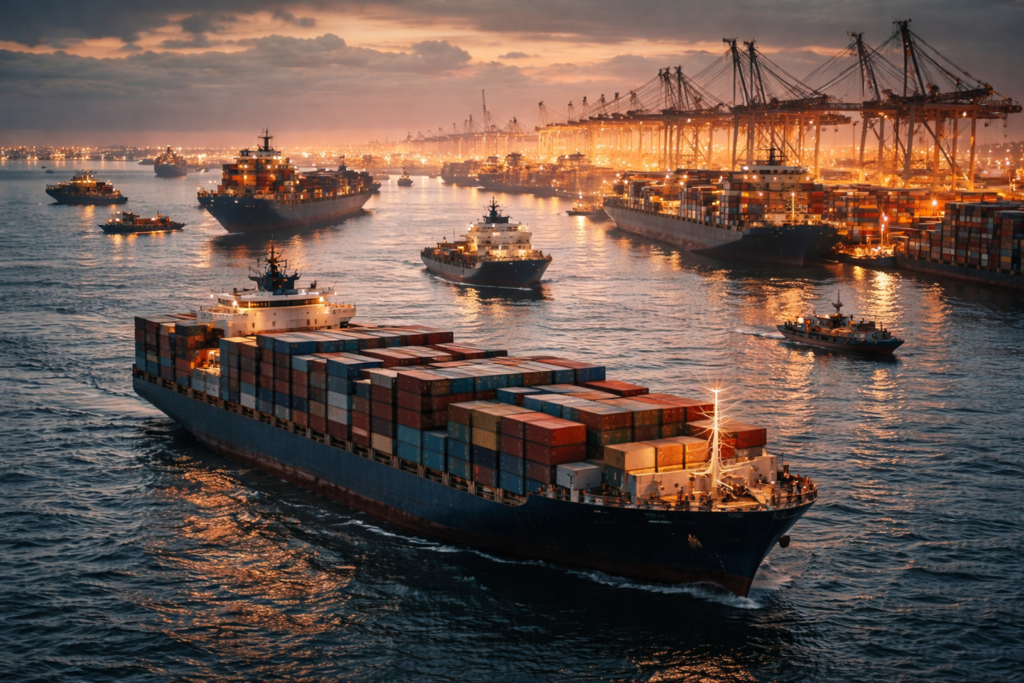
H2 — The Real Economic Shift No One Talks About
Here’s the uncomfortable truth:
The modern economy is no longer local.
It’s deeply interconnected — and vulnerable.
A disruption thousands of miles away can:
- raise your grocery bill
- increase your rent indirectly
- affect your job security
“The global economy doesn’t need to collapse to hurt you — it just needs to become unstable.” — Poul Xavier
Conclusion
The war may not be happening in American cities.
But its consequences are already there — embedded in prices, hidden in bills, and felt in everyday financial stress.
The real question isn’t whether global conflict affects the U.S. economy — it’s how much of your daily life is already shaped by it without you realizing.
It’s how much of your daily life is already shaped by it… without you noticing