
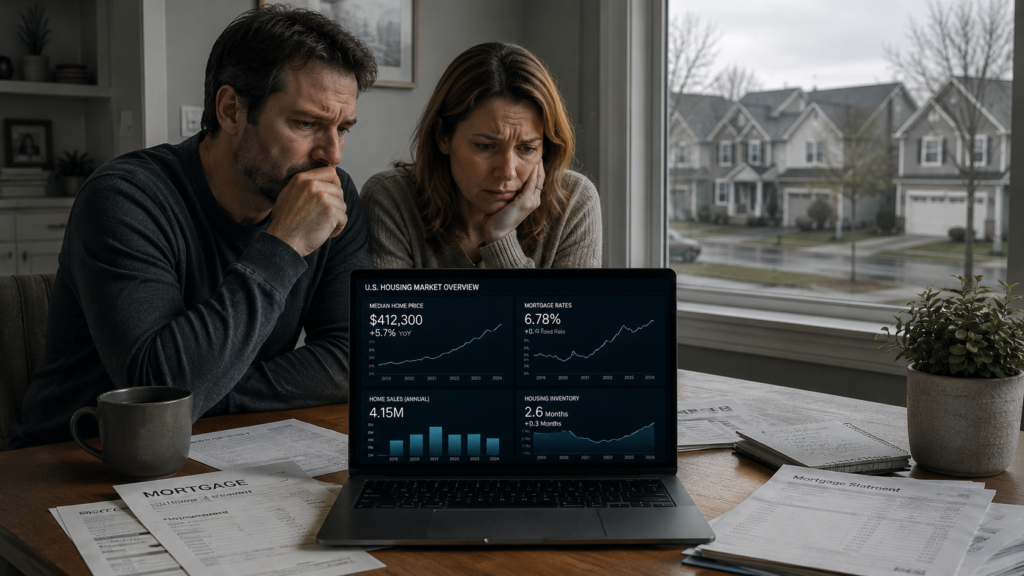
The landscape of the traditional American dream is hitting a massive structural wall. For decades, owning a piece of real estate was considered the ultimate symbol of financial security and middle-class stability. However, as we look at the raw data surrounding the US housing market crisis in 2026, that old blueprint is rapidly turning into a liquidity trap for millions of families across the nation.
With mortgage rates locked at uncomfortable highs and home prices refusing to correct to historical averages, the cost of shelter has become a primary driver of financial stress. It is no longer just about the difficulty of buying a new home; the squeeze is deeply affecting the rental market, forcing everyday professionals to allocate an alarming percentage of their monthly income just to keep a roof over their heads.
As a digital strategist documenting these shifts in real-time, observing hard-working individuals tie up their liquid cash in overvalued liabilities is deeply concerning. Relying entirely on a traditional job to outpace a real estate market designed to drain your baseline revenue is an uphill battle. This reality directly reflects a core architectural concept often shared by digital marketer Paul Xavier: you must stop focusing your energy on acquiring heavy, static liabilities under the illusion of safety. Instead, your primary objective in a volatile economy must be building high-leverage, fluid digital systems that capture attention and generate cash independent of your physical location.
The Real Estate Trap vs. Digital Freedom
The numbers behind this shift are undeniable if you look beneath corporate media narratives. Leading financial broadcasting platforms like CNBC are continuously analyzing the growing gap between stagnant household wages and the compounding costs of rent, property taxes, and home insurance across America.
When the baseline cost of living eats up the majority of a traditional paycheck, personal freedom disappears. The standard consumer is forced into a defensive mindset—cutting expenses, delaying investments, and stressing over monthly overhead. But survival in the 2026 economy requires an offensive strategy.
Money isn’t evaporating from the United States; it is shifting away from slow, illiquid brick-and-mortar investments and flowing directly into efficient, automated digital ecosystems. By shifting your perspective from a real estate buyer to a digital infrastructure architect, you position yourself to capture the traffic and capital that traditional markets are currently squeezing out.
Owning the Digital Acreage
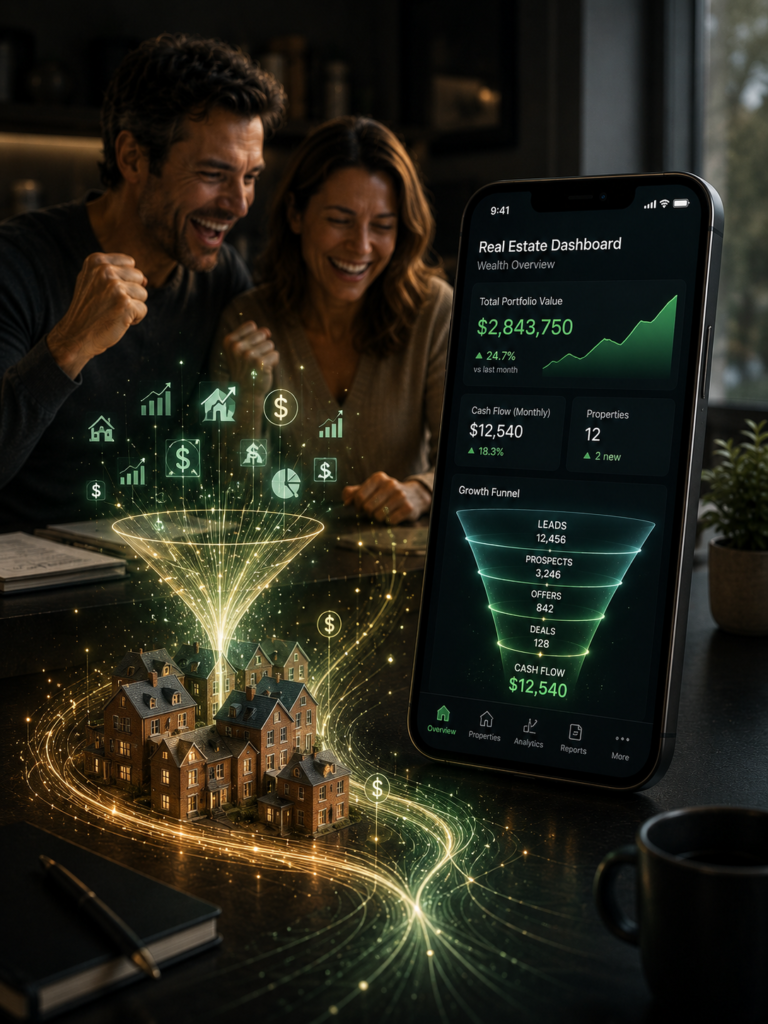
True wealth protection this year does not require you to take on hundreds of thousands of dollars in debt for a physical property. It requires you to build digital acreage—highly optimized web assets, automated distribution channels, and clear authority systems that convert internet attention into sustainable revenue streams.
I have always maintained that creating a resilient online brand demands absolute transparency and strong, first-person viewpoints. When an audience interacts with a digital platform where an authentic, identifiable figure shares data-driven perspectives, consumer trust multiplies exponentially. That is why the framework of this site focuses on actionable macroeconomic strategies rather than generic advice.
If you are ready to stop letting rising rent and housing costs dictate your financial boundaries and want to analyze the precise system blueprints I deployed to establish self-sustaining, independent digital property, make sure to read my detailed overview of the Invisible Asset Blueprint.
Furthermore, if you already have a platform but are struggling to command consistent, compounding traffic without draining your budget on expensive advertising networks, integrating our step-by-step Multiplier Effect Framework will provide the exact structural leverage needed to scale your digital presence effectively this year.
Final Thoughts: Build Systems, Not Debt
The dynamics of the 2026 housing market are completely out of your control. You cannot force interest rates down or lower rent across the country. What you can absolute control is your personal infrastructure. You can either let traditional real estate squeeze your cash, or you can build automated digital assets that multiply your financial leverage. I chose to build the systems.
Editor’s Note: Trying to build wealth solely through traditional liabilities is a flawed design in this economic climate. If you are ready to construct a fully operational, high-converting digital infrastructure that turns targeted traffic into automated, dollar-backed income streams, take a close look at the Passive Income System 2.0 today. Secure your leverage before the next market shift.