
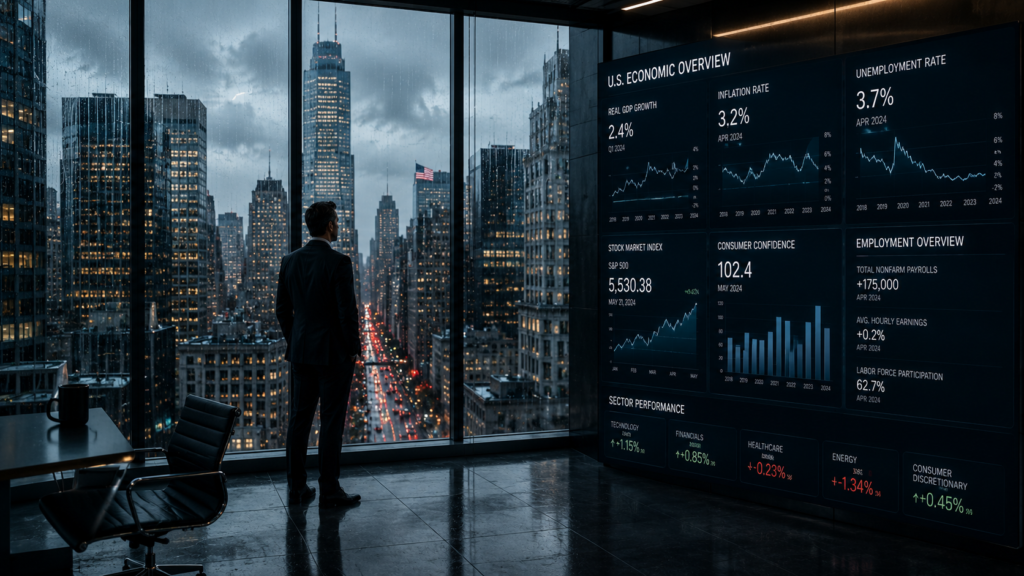
The traditional American dream is undergoing a quiet, brutal recalibration. As we move deeper into the year, the macroeconomic indicators inside the US job market 2026 are revealing a truth that mainstream corporate media refuses to address head-on: relying on a single, traditional paycheck is no longer enough to keep up with the real cost of living.
While top-line gross domestic product numbers present a surface-level illusion of stability, the micro-level reality for everyday professionals tells a drastically different story. Layoffs in major tech and corporate sectors continue to make headlines, hiring processes have slowed down to a crawl, and the purchasing power of the average salary is eroding faster than standard wage increases can match.
As a digital creator who aggressively tracks these patterns, watching intelligent, hardworking professionals get blindsided by sudden corporate restructuring made me step back. It forced me to realize that the fundamental definition of financial security has permanently changed. In this current economic landscape, true safety does not come from a job title; it comes from owning your distribution channel. This directly echoes a powerful philosophy shared by digital strategist Paul Xavier: if you do not own the digital system you operate within, you are merely a renter of your financial security, waiting for the landlord to raise the price.
The Warning Signs on the Horizon
The fractures under the surface are becoming impossible to ignore for anyone looking at raw financial data. Major reporting outlets like CNBC are continually highlighting a dangerous divergence in the American economy: personal savings rates are hitting uncomfortable lows while credit card and auto loan delinquencies are accelerating across the country.
The everyday citizen is essentially using high-interest credit to bridge the gap between their static salary and the sticky inflation that dominates retail and energy prices. When interest costs consume an increasingly massive share of the federal budget and household revenue alike, the pressure cooker eventually squeezes the employee at the bottom of the ladder.
This is exactly why the traditional mindset of “trading hours for money” is a losing architectural design this year. In a low-hire, highly volatile labor market, your physical time is a non-scalable asset. If you are only paid when you show up, you are completely vulnerable to corporate decisions, algorithmic shifts, and central bank interest adjustments that you have absolutely no power to control.
Transitioning to a Systems-First Mindset
To break free from this cycle, you have to transition from a manual laborer to an architect of systems. When consumer behavior shifts due to economic pressure, the money does not disappear from the world—it simply relocates to more efficient, automated digital networks.
I have long believed that establishing authority online requires radical transparency and personal point-of-view opinions. When an audience interacts with a website where a clear, identifiable figure shares authentic strategic perspectives, their trust in that platform increases exponentially. That is why I do not just analyze the problems within the modern economy; I actively build the infrastructure required to profit from it.
If you are ready to stop betting your entire future on the stability of a corporate paycheck and want to look at the exact digital blueprints I deployed to establish self-sustaining, independent cash flows, read my full strategic breakdown on the Invisible Asset Blueprint.
Additionally, if you want to ensure that your digital platform receives continuous, compounding traffic without relying on expensive, unoptimized advertising campaigns during a market squeeze, integrating our step-by-step Multiplier Effect Framework will grant you the exact leverage needed to scale your digital presence in 2026.
Final Thoughts: Build Your Own Vault
The corporate job market will continue to demand more of your time for less real reward. You can either keep playing their game under their shifting rules, or you can decide to become the owner of your own traffic and assets. I chose the systems path.
Editor’s Note: Standing still in this economy is the fastest way to fall behind. If you are ready to construct a fully operational, high-converting digital infrastructure that turns online attention into consistent, dollar-backed income streams, take a close look at the Passive Income System 2.0 today. Build your leverage before the next corporate shift affects your household.