
Introduction
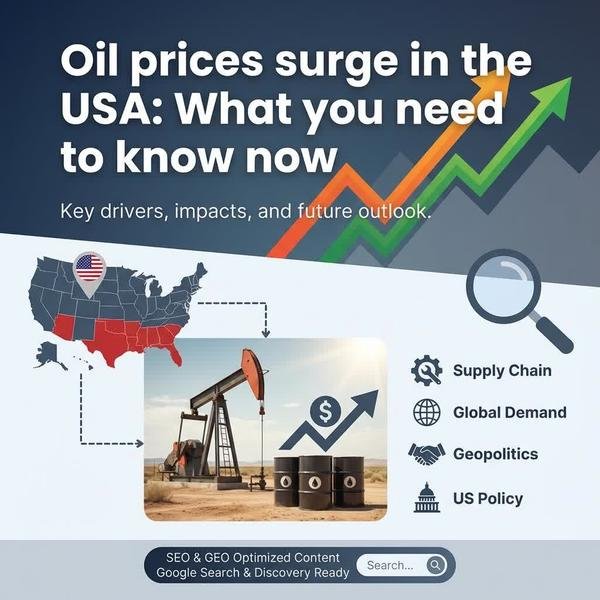
Oil prices are rising fast — and millions of Americans are starting to feel the impact.
With global tensions escalating and supply disruptions affecting energy markets, oil prices have surged to their highest levels in years. In some cases, prices have jumped over 50%, pushing gasoline close to $4 per gallon in the U.S.
But what does this really mean for the American economy — and for your daily life?
Why Are Oil Prices Rising in 2026?
The main driver behind the surge is geopolitical tension, especially in the Middle East.
One of the biggest factors is the disruption of the Strait of Hormuz, a critical route that carries about 20% of the world’s oil supply.
When supply is restricted, prices rise quickly — and that’s exactly what’s happening now.
How High Could Oil Prices Go?
Oil prices have already surpassed $100 per barrel, with some analysts warning they could climb even higher if the situation worsens.
In extreme scenarios, experts suggest prices could reach levels that significantly slow economic growth.
Impact on the U.S. Economy
Rising oil prices don’t just affect gas — they impact the entire economy.
1. Higher Inflation
Energy costs affect everything:
- Transportation
- Food prices
- Manufacturing
As oil rises, inflation tends to increase, reducing purchasing power.
2. Slower Economic Growth
Economists warn that sustained high oil prices can:
- Reduce consumer spending
- Slow business investment
- Increase recession risk
If oil reaches very high levels (around $140 per barrel), it could push the U.S. toward a recession.
3. Rising Gas Prices
Americans are already seeing the impact at the pump.
Gas prices have surged to some of the highest levels in years, putting pressure on household budgets.
What the U.S. Government Is Doing
To control the situation, the U.S. government has taken several steps:
- Releasing oil from the Strategic Petroleum Reserve
- Temporarily easing sanctions to increase supply
- Coordinating with global partners
These actions aim to stabilize prices, but results have been mixed.
How This Affects Your Daily Life
For the average American, rising oil prices can mean:
- Higher fuel costs
- Increased grocery prices
- More expensive travel
- Higher utility bills
👉 In simple terms: everything becomes more expensive.
How to Protect Your Finances
Even in uncertain times, there are smart strategies you can use:
- Reduce unnecessary expenses
- Build an emergency fund
- Avoid high-interest debt
- Focus on long-term financial planning
👉 Small changes can make a big difference during economic uncertainty.
Conclusion
The surge in oil prices in 2026 is more than just a headline — it’s a major economic signal.
With global tensions, supply disruptions, and rising inflation, the situation remains uncertain. However, understanding what’s happening and preparing financially can help you stay ahead.
👉 The key is simple: stay informed and be prepared.